'%20stroke-width='9.5'%20stroke-linecap='round'%20stroke-linejoin='round'%20fill='none'%3e%3c/path%3e%3cpath%20d='M60,60%20C68.528,48.7%2074.318,44.475%2083.152,44.651%20C90.065,44.789%2097,49.147%2097,60%20C97,70.938%2090.073,74.743%2083.246,74.969%20C73.885,75.278%2068.272,70.71%2060,60'%20stroke='url(%23agr)'%20stroke-width='9.5'%20stroke-linecap='round'%20stroke-linejoin='round'%20fill='none'%20filter='url(%23as)'%3e%3c/path%3e%3c/svg%3e)
P.L.A.N.E.T. - PLANETARY BOUNDARIES GO TO SCHOOL
FFG Talente-Regional 2025, 2026 to 2028, Vienna and Lower Austria
P.L.A.N.E.T. stands for planetary solutions built on natural science, engineering and transformation knowledge. Across four semesters, nine school classes from year two of primary school up to lower secondary explore the nine planetary boundaries: they measure, experiment, build prototypes and develop their own solutions as PLANET engineers.
The project links science, technology and design. Each class picks one planetary boundary, works on it with researchers and practitioners, and brings the results together at the closing PLANET festival. Thinkubator is a scientific partner in the consortium and leads the topic of air quality and aerosols.
Ten cooperation grants of up to 1,000 euros each go to schools outside the consortium that want to run a project of their own.

Children experience science not as finished knowledge, but as discovering, measuring, questioning and shaping.
SIX PLANETARY BOUNDARIES, SIX TEAMS
Each class picks one planetary boundary and works on it with the partner organisation in charge of that topic.
Freshwater
WasserCluster LunzStudying water bodies and measuring water quality.
Materials and plastics
Precious Plastic Vienna, TU Wien Mechanical EngineeringCollecting plastics, detecting microplastics and trying out recycling.
Biodiversity and land system
KrawallObserving insects and soil life, building sponge-city models.
Climate change
TU Wien ChemistryMeasuring climate gases and running greenhouse-effect experiments.
Nitrogen and phosphorus
BioBaseSetting up fertiliser trials and building biofilters.
Air quality and aerosols
ThinkubatorMaking aerosols visible and measuring air data at school.
WHAT THINKUBATOR DOES IN THE PROJECT
Air quality and aerosols
We design and run the workshops on the aerosols boundary, organise the related field trip and support the classes through their project phase.
- making aerosols visible, for example with smoke experiments
- generating and detecting microplastics, for example by rubbing synthetic textiles
- measuring and comparing air data at different spots in and around the school
Teaching design and fundamentals
We contribute to the pedagogical planning and to teaching the basics of the planetary boundaries. The materials are developed together with TU Wien.
Connecting and sharing
In the final semester we bring the results of all classes together and take them public: at the PLANET festival and through open educational resources.
FOUR SEMESTERS
From understanding the earth system to going deep on one boundary and imagining futures.
- 01
Semester 1: understanding the earth system
Mini-earth setups, tipping point experiments and hands-on stations on the individual boundaries build a shared basis. At the end, each class picks its boundary.
- 02
Semesters 2 and 3: going deeper
Each class works on its boundary with the partners, with a field trip, experiments and its own class project.
- freshwater: water analysis with WasserCluster Lunz
- materials and plastics: collection drives, microplastics and recycling trials with Precious Plastic Vienna and TU Wien
- biodiversity and land system change: insects, soil life and sponge city models with Krawall
- climate change: measurements and greenhouse gas experiments with TU Wien Chemistry
- nitrogen and phosphorus: fertiliser trials and biofilters with BioBase
- air quality and aerosols: measuring campaigns with Thinkubator
- 03
Semester 4: connecting and shaping futures
The classes link their boundaries into a joint network map, work in a futures lab and present at the PLANET festival, an open lab for everyone. The first open learning materials are published alongside.
FFG TALENTE-REGIONAL 2025
P.L.A.N.E.T. is funded under the Talente-Regional 2025 programme of the Austrian Research Promotion Agency (FFG).
Run by Thinkubator - Verein zur Forschung und Umsetzung nachhaltiger Lösungen.
TU Wien, Institut für Angewandte Synthesechemie (Leitung), TU Wien, Maschinenbau, WasserCluster Lunz, BioBase, Krawall, Precious Plastic Vienna, Thinkubator, VS Ebreichsdorf, MS Jakob Thoma Mödling, GTVS 3, MS Sonnenallee, WMS Kauergasse, Gymnasium Wienerwald
COOPERATION GRANTS FOR SCHOOLS
Ten grants of up to 1,000 euros each for schools outside the consortium that want to run their own project on planetary boundaries, sustainability, resources or climate adaptation. Open to all school types.
What is funded
- experiment materials and prototype building
- nature based projects such as greening or habitat structures
- field trip costs
- fees for contributions by experts
What the application covers
- project idea and expected educational value
- link to the planetary boundaries
- planned use of funds, up to 1,000 euros
- target group plus gender and diversity considerations
- a short timeline
How we select
- thematic fit
- educational quality
- link to sustainability and inclusion
- feasibility within the planned period
- impact for the school and its surroundings
What comes with it
- a digital PLANET material pack with worksheets, experiment guides and logbook elements
- an invitation to show the results at the PLANET festival
- networking with the participating classes
Selection is made by the consortium lead together with two specialist partners.
QUESTIONS ABOUT P.L.A.N.E.T.?
For schools, teachers and anyone who wants to work with us on the topic.
Bastien Huber
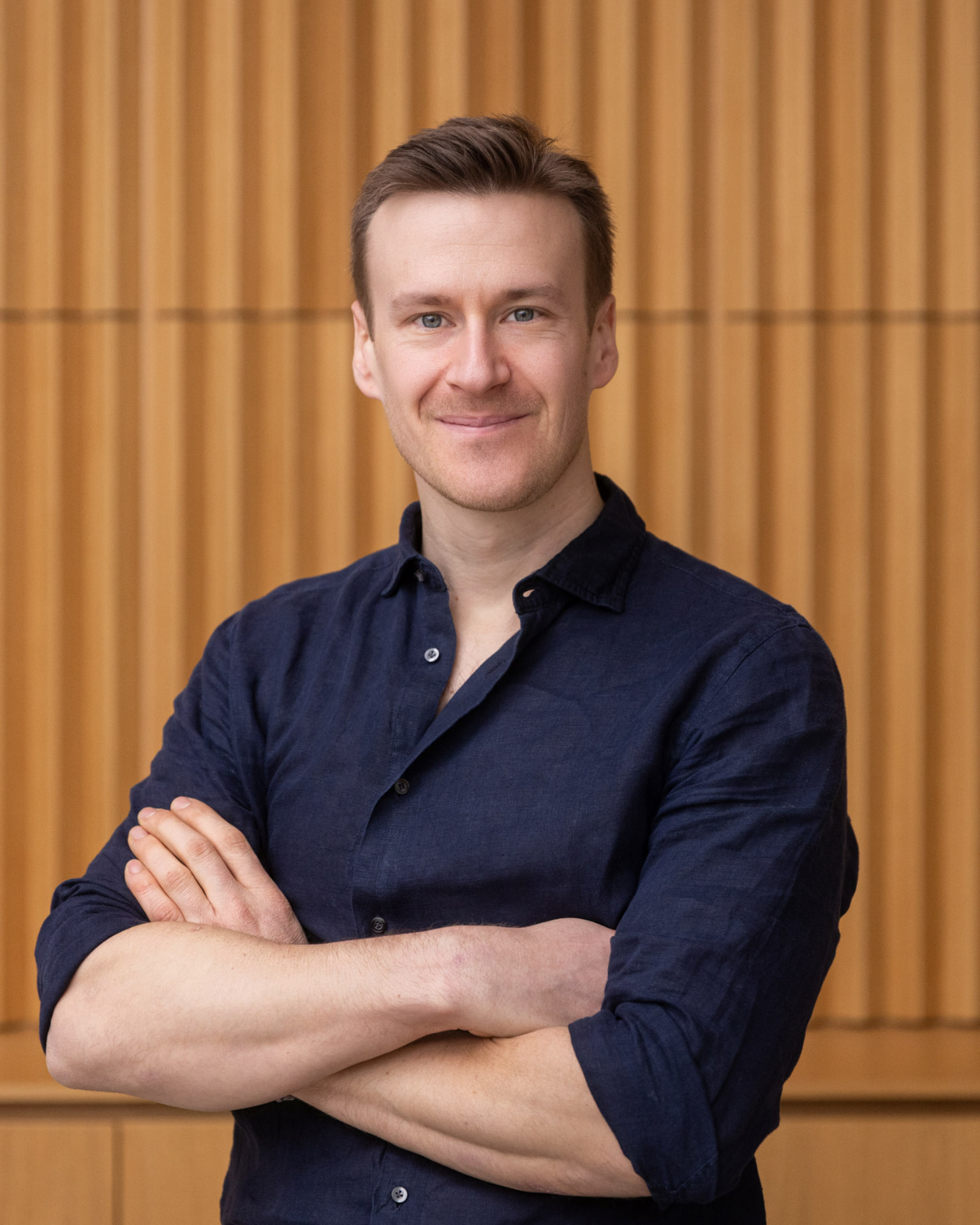
Project lead P.L.A.N.E.T.Bastien leads the project at Thinkubator and answers questions about workshops and cooperation grants.